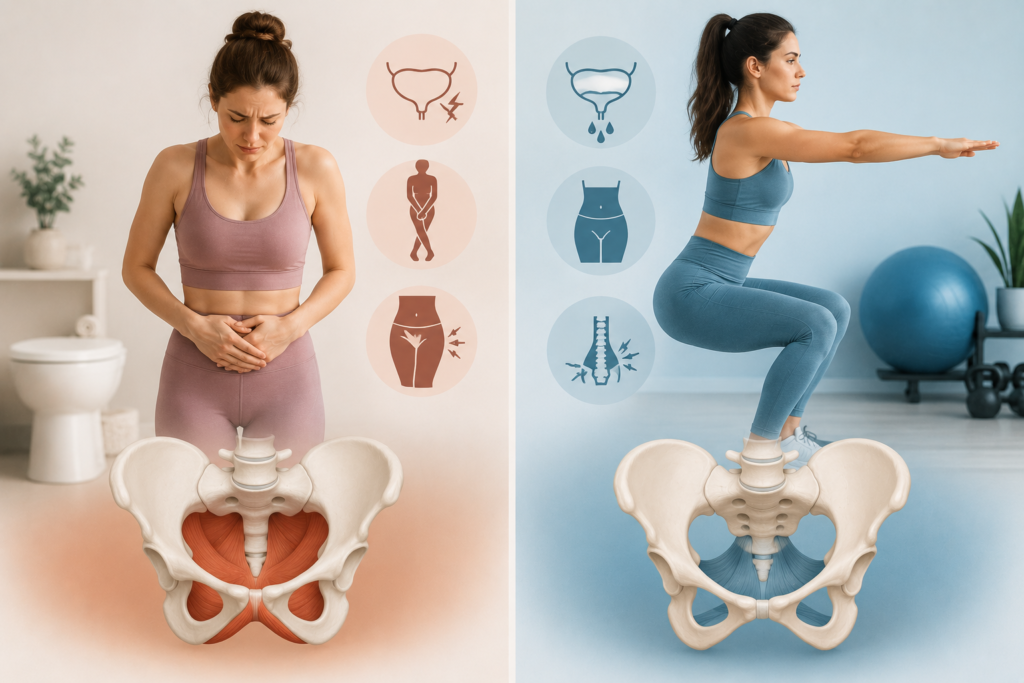
Wondering how to tell if pelvic floor is tight or weak? The answer lies in listening to your body. Tight pelvic floor muscles often cause pain, trouble starting urination, and constipation, while weak pelvic floor muscles can lead to leaks, a heavy feeling, and trouble holding back gas. Noticing these simple signs helps you understand if your pelvic floor is tight or weak so you can take steps for better pelvic health.
Understanding the Pelvic Floor: Anatomy and Function
The pelvic floor is a group of muscles and connective tissues that form a supportive base across the bottom of the pelvis. These muscles act like a hammock, holding up vital organs such as the bladder, uterus (in females), prostate (in males), and rectum.1 They help you control urination and bowel movements, maintain continence, and contribute to sexual function. A healthy pelvic floor supports smooth muscle coordination—tightening and relaxing at the right times to make daily tasks possible.
When the pelvic floor works as it should, you usually don’t notice it. Muscle dysfunction, however, can lead to unwelcome symptoms that affect your quality of life. Learning how to know if pelvic floor is tight or weak is the first step in managing or preventing further issues. For both men and women, these muscles carry out functions beyond toilet habits or physical support: they support lower back stability, core strength, and reproductive health.
- Location: The pelvic floor stretches from the tailbone to the pubic bone.
- Main functions: Supports pelvic organs, controls bladder/bowels, aids sexual function.
- Coordination: Requires both strength and the ability to relax.
Common Causes of Pelvic Floor Dysfunction
Pelvic floor dysfunction can stem from multiple factors. A common misconception is that only women after childbirth are affected—yet men and younger adults can have tight or weak muscles, too.1,2
- Pregnancy and childbirth: Stretching, hormonal changes, and delivery can weaken or injure the pelvic muscles.
- Frequent heavy lifting or chronic coughing: Raises pressure on the pelvic floor, sometimes triggering dysfunction.
- Injury or surgery: Direct trauma, pelvic surgeries, or nerve injuries can result in trouble with pelvic floor control.
- Chronic constipation and straining: Overusing pelvic muscles during bowel movements can contribute to both tightness and weakness.
- Aging: Natural decline in muscle mass can reduce pelvic floor strength.
- Stress and anxiety: Persistent muscle clenching and higher baseline tension can lead to hypertonic (tight) muscles.2
If left unchecked, dysfunction may develop or worsen over time. Knowing how to find out if pelvic floor is tight or weak lets you act early and choose the right self-care or professional help.
How to Tell if Pelvic Floor Is Tight or Weak
Figuring out how to tell if your pelvic floor is weak or tight involves noticing specific patterns in your body and symptoms. Although a pelvic health specialist offers the most precise diagnosis, many people can start identifying the difference by paying attention to certain signs.
Key Signs of a Tight Pelvic Floor
- Pain in the pelvic area, genitals, lower back, or tailbone
- Constipation or straining to have a bowel movement1
- Difficulty starting urine flow or a sensation of incomplete emptying
- Painful urination or frequent, urgent urination
- Pain during sex or with orgasm (females and males can both experience this)
- Pelvic muscle spasms or a feeling of tension that does not resolve with rest
- Low tolerance for pelvic floor exercises (such as finding Kegels uncomfortable)
A tight (overactive) pelvic floor sometimes feels “held” all the time, leading to muscle fatigue, pain, or even dysfunction that mimics weakness. Notably, being able to contract but not relax your pelvic muscles is a hallmark sign.2,3
Recognizing Symptoms of a Weak Pelvic Floor
- Leakage of urine (urinary incontinence) or stool (fecal incontinence)
- Trouble holding in gas or sudden strong urges to go to the bathroom
- A heavy, dragging, or bulging sensation in the pelvis
- Pain or reduced sensation, especially during sexual activity
- Difficulties with core stability or lower back ache
- Pelvic organ prolapse (feeling as if something is “falling out”)
Weak (underactive) pelvic floor muscles may feel unresponsive or slow to contract. People often ask how to check if pelvic floor is weak or tight, as some symptoms—like pain—can overlap. However, the difference often lies in whether you’re struggling to relax (tight and painful) versus struggling to contract and hold (weak and leaky).
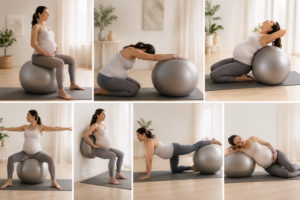
If you are looking for pre or post-prenatal exercises, check out: Pilates Ball Exercises for Pregnancy: 7 Simple Moves To Try
How to Check if Pelvic Floor Is Weak or Tight at Home
You don’t always need special equipment to assess your pelvic floor’s strength or tension. With mindful observation and a few self-tests, you can gain insight and decide if further evaluation is needed.
Self-Assessment Techniques
- Sit on a hard, flat chair with feet planted on the ground. Try gently tightening the muscles you’d use to stop passing gas or urine. Hold for a count of 3–5 seconds, then fully relax.
- Notice the process. Is it hard to “find” your pelvic muscles? If you cannot squeeze or fatigue quickly, your pelvic floor may be weak. If it’s hard to let go and relax, or if you sense tension/pain without trying, you may have a tight pelvic floor.3
- Kegel decoding. If your contraction feels feeble or is hard to maintain, you may need to focus on strengthening. If you can contract but find it tough to fully relax, there could be underlying tightness.
- Monitor symptoms during daily life. Leaks, urgency, or heaviness point toward weakness. Discomfort with urination, constipation, or pain with intercourse often suggest tightness.
| Symptom | More Likely Tightness | More Likely Weakness |
|---|---|---|
| Pain (pelvic, low back, during sex) | ✔ | Sometimes |
| Urinary leakage | Sometimes | ✔ |
| Difficulty starting urination | ✔ | — |
| Constipation | ✔ | — |
| Heaviness/bulging feeling | — | ✔ |
Remember—sometimes, a tight pelvic floor is also weak. Chronic holding can fatigue muscles and compromise strength.2
When to Seek Professional Evaluation
- If you experience any of the following, consider a pelvic floor physical therapist or specialist:
- Symptoms disrupt daily life or cause distress
- Self-assessment doesn’t clarify the issue
- Pain with urination, sex, or bowel movements
- Persistent or worsening leakage, heaviness, or prolapse signs
- Previous pelvic injury, surgery, or trauma
A trained provider can use targeted physical exams and tests—such as manometry, EMG, or imaging—to pinpoint whether the issue involves overactivity (tightness), underactivity (weakness), or poor coordination.1
Gender-Specific Signs: Differences in Males and Females
Although the basic anatomy and function are similar, males and females can experience pelvic floor dysfunction in distinct ways. These differences reflect both anatomical variation and the types of stress the muscles face.
Tight and Weak Pelvic Floor Symptoms in Females
- Urinary incontinence, especially during exercise, sneezing, or coughing
- Pain with intercourse, tampon insertion, or pelvic exams (tightness)
- Pelvic organ prolapse—sensation of something coming down or out of the vagina (weakness)
- Constipation or pain with bowel movements (tightness)
- Heaviness, aching, or pressure in the pelvic area
- Leaking urine or stool especially after childbirth
Females often ask how to tell if pelvic floor is tight or weak, female-specific. Think about whether symptoms came after childbirth or surgery (weakness more likely), or if you’re experiencing pain and difficulty relaxing (tightness).
Signs of Pelvic Floor Dysfunction in Males
- Pain in the penis, testicles, perineum, or rectum (tightness)
- Issues with erectile function or premature ejaculation (often tightness or poor coordination)
- Dribbling urine after finishing
- Straining or slow urinary stream
- Prostatitis-like symptoms not linked to infection
- Leaking urine during activity or after prostate surgery (weakness)
How to tell if pelvic floor is tight or weak, male perspective? In men, chronic pelvic pain and trouble “letting go” to urinate may hint at tight muscles, while leaks or lack of control suggest weakness. Sometimes, both can coexist and need a nuanced approach.
Pelvic Floor Concerns at Different Life Stages
Pelvic floor issues are not limited to older adults or people who’ve had babies. Age, life events, and shifting hormones all shape how the pelvic floor performs.
Weak Pelvic Floor in Your 20s
- Regular high-impact sports or obesity can stress muscles early
- Chronic constipation, disordered eating, or anxiety may trigger dysfunction
- Some people report leaking urine during workouts even in their twenties
- Risk increases with genetic conditions or a family history of pelvic issues
How to know if your pelvic floor is tight or weak when young? Pay attention to new symptoms after injury, increased stress, weight changes, or surgery. Early care makes it easier to restore muscle function and avoid future problems.
Pregnancy and Pelvic Floor Muscle Issues
- Hormonal shifts relax pelvic tissues during pregnancy, but pressure from a growing baby can weaken or overstretch muscles
- Vaginal birth may cause tears or nerve injuries
- Symptoms often emerge postpartum: leaks, heaviness, or pain
- Doing Kegels without first checking for tightness can worsen some symptoms
- How to tell if pelvic floor is tight or weak, pregnancy-specific? Notice if your symptoms worsen with exertion (likely weakness) or if you have pain and spasms post-delivery (could be tightness as well)
Consulting a pelvic health professional after delivery or during pregnancy can help you tailor exercises and recovery strategies based on your unique signs.
How to Know If Your Pelvic Floor Muscles Are Strong
A strong pelvic floor quickly responds when you deliberately tighten it and fully relaxes at rest. Key indicators of strength include:
- You rarely have leaks of urine or stool, even with sneezing, lifting, or laughing
- You can contract your pelvic floor muscles for at least 5 seconds and repeat several times without fatigue
- No unexplained pelvic pain or heaviness
- Sex is comfortable and you can sense muscular engagement during orgasm
Self-assessing strength: During a Kegel, if you feel a distinct “lift,” can maintain the contraction, and sense a clean release, your muscles are likely robust and coordinated. If you have doubts, a pelvic floor therapist can use biofeedback tools to measure muscle activity and give guidance.
Exercises and Strategies for Tight or Weak Pelvic Floors
Knowing how to tell if pelvic floor is tight or weak shapes your next steps. Strategies differ for each issue. The key is matching exercises to your unique needs—not everyone benefits from classic Kegels.
Exercises to Loosen Tight Pelvic Muscles
- Diaphragmatic breathing: Deep belly breathing calms the nervous system and soothes muscle tension2,3
- Pelvic drops: Focus attention on releasing tension rather than squeezing
- Gentle stretching: Child’s pose, happy baby, or lying with knees together and feet apart relax the pelvis
- Progressive muscle relaxation: Work from head to toe, consciously letting go of tension in each area, especially the pelvic floor area
Avoid doing repetitive Kegels or forced contractions if your pelvic floor feels tight. Instead, emphasize relaxation and body awareness. A trained therapist can teach advanced release techniques if needed.
Tight Pelvic Floor Exercises and Relaxation Tips
- Yoga and gentle movement: Many yoga poses target pelvic flexibility
- Warm baths, mindfulness, and stress-reduction tools
- Biofeedback therapy can bring awareness to unhelpful holding patterns1
- Use visualization—imagine the pelvic floor “melting” downward or “dropping” away from core
People who focus on how to tell if pelvic floor is tight or loose sometimes realize they need more letting-go than tightening up. Pain with contraction usually signals the need for a relaxation-first approach.
Community Insights: Reddit and Online Support
Thousands search threads on how to tell if pelvic floor is tight or weak Reddit forums. People discuss their experiences—from realizing that over-sequenced Kegels made pain worse, to finding relief through relaxation or specialized therapy. Key takeaways include:
- Many discover their symptoms only subside when they learn about tightness (hypertonicity) rather than weakness
- Others were inspired by stories of successful rehab after reading about exercises specific to men or younger adults
- Peer advice highlights the importance of getting a professional assessment, since self-diagnosis can sometimes lead astray
You’ll find tips on posture, breathing exercises, and questions around postpartum healing. Support communities show that pelvic floor issues can affect anyone, and you’re not alone—or without options.
FAQ: Answers to Common Questions About Pelvic Floor Tightness and Weakness
What can be mistaken for a tight pelvic floor?
Conditions like interstitial cystitis, irritable bowel syndrome (IBS), chronic constipation, prostatitis, or even pelvic organ prolapse can mimic tight pelvic floor symptoms.1 Overlapping pain or troubles with urination and bowel movements sometimes make self-diagnosis tricky.
What are the symptoms of having a tight pelvic floor?
Typical symptoms of a tight pelvic floor include pelvic or genital pain, constipation, incomplete emptying during urination or bowel movements, pain with sex, and persistent tension. Difficulty relaxing—even when at rest—can also signal tight muscles.2,3
How do you test for tight pelvic floor?
A physical therapist usually tests for tight pelvic floor by feeling for spasms, muscle knots, and observing your ability to relax the muscles during an exam. For self-testing, difficulty letting go after a contraction, or pain triggered by engagement, often points to tightness.
How do you loosen a tight pelvic floor?
Loosening a tight pelvic floor involves gentle breathing exercises, yoga, mindful stretching, and sometimes manual therapy with biofeedback. Prioritizing relaxation over repetition of Kegels, and avoiding activities that increase pelvic strain, helps promote release and healing.2
Conclusion: Next Steps for Pelvic Floor Health
Knowing how to tell if pelvic floor is tight or weak shapes your day-to-day choices and long-term health. Paying attention to unique symptoms—like pain, leaks, heaviness, or persistent tension—guides next actions. If your self-check points to ongoing problems, discomfort, or confusion, a consult with a pelvic health professional is the next step. A tailored plan—whether it’s muscle strengthening, relaxation techniques, or a mix of both—can get you on the path to a healthier, pain-free pelvic floor. Taking action now supports core wellness for years ahead.
References
- Cleveland Clinic. Pelvic Floor Dysfunction: What It Is, Symptoms & Treatment. Last reviewed Jan 12, 2024. https://my.clevelandclinic.org/health/diseases/14459-pelvic-floor-dysfunction
- Sydney Pelvic Clinic. How to Differentiate Exercise for an Underactive vs Overactive Pelvic Floor. Accessed May 2026. https://www.sydneypelvicclinic.com.au/how-to-differentiate-exercise-for-an-underactive-vs-overactive-pelvic-floor/
- The Origin Way. Is Your Pelvic Floor Tight or Weak?. May 2023. https://www.theoriginway.com/blog/is-your-pelvic-floor-too-tight-too-weak-or-both