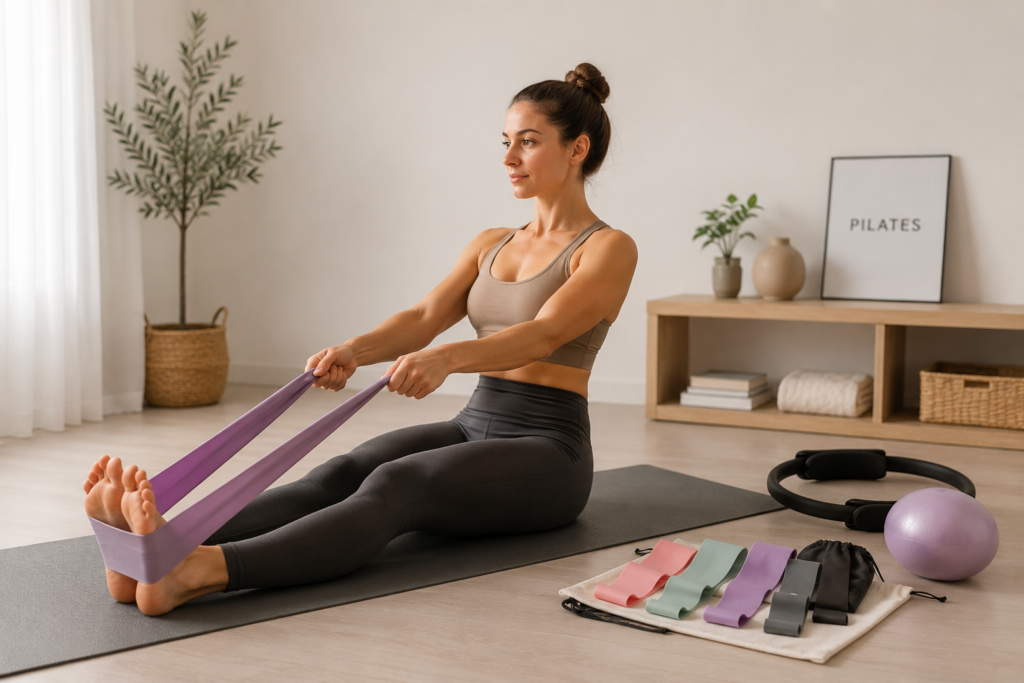
Pilates resistance bands are stretchable bands designed to intensify Pilates routines, helping people build strength, flexibility, and muscle tone without bulky equipment. They’re popular for home workouts, offering adaptable resistance levels for every fitness stage.
Step into any Pilates class or scroll through fitness feeds, and the colorful stretch bands catch the eye almost instantly. Pilates resistance bands have fast become the secret weapon for those looking to make every rep count, whether in a bustling studio or squeezed into the living room between Zoom calls. These humble bands, often underestimated, open doors to muscle activation that classic Pilates simply can’t reach alone. This guide unpacks the real-world tips, analytical insights, and smarter choices behind Pilates resistance bands—making sure every curl, press, and stretch works harder for you.
What Are Pilates Resistance Bands?
Start with a strip of rubber, fabric, or latex—stretchy yet sturdy. Now imagine that simple band turns every Pilates move into a mini challenge, activating stabilizer muscles, improving control, and raising the bar for both beginners and advanced fans. Pilates resistance bands are specially designed to add adjustable resistance to exercises, replacing or supplementing heavier gear like reformers or weights. Often called pilates bands, Pilates exercise bands, or Pilates workout bands, these tools come in various shapes, sizes, and resistance levels, catering to different body parts and movement styles.
Most people associate Pilates resistance bands with gentle stretching or warm-up routines, but they pack a surprising punch. With one loop around the ankles, basic leg lifts suddenly target the glutes more precisely. Wrap one around the hands during roll-ups, and the core has to brace against a new level of pull. The best part? The bands adapt, not only to a person’s fitness level but also to their progression over the weeks and months. Unlike gym machinery, they’re lightweight, portable, and—fittingly for Pilates—quiet, too.
Types of Pilates Resistance Bands
Walk into a studio or scan the digital shelves, and it’s clear the world of Pilates resistance bands is anything but one-size-fits-all. From classic flat bands to high-tech handles or integrated bars, each type brings its own flavor of resistance and control.
Pilates Resistance Bands With Handles
For those who crave a sturdy grip, Pilates resistance bands with handles make a noticeable difference. These bands typically feature foam or plastic handles on each end, allowing for more controlled upper-body exercises—think rowing motions, bicep curls, or shoulder presses. Handles help maintain wrist alignment and prevent slippage, especially for people whose hands get sweaty or who need a little extra support for precise movements. They’re commonly seen in hybrid group classes that bridge Pilates, physical therapy, and strength training.
Pilates Resistance Bands With Bar
Now, add a detachable or integrated bar into the mix. Pilates resistance bands with bar attachments mimic the feel of a Pilates reformer or traditional weight bar, creating new options for squats, deadlifts, upright rows, and hip bridges. The bar keeps movements symmetrical and prevents the bands from bunching or rolling—useful for those multi-plane moves that traditional Pilates routines sometimes miss. For home users, the bar-band combo provides a quasi-gym experience without the storage headache or noise.
Pilates Flex Bands and Stretch Bands
The bread and butter of Pilates accessories, flex bands and stretch bands are remarkably versatile. Flex bands are usually thin, flat strips of elastic—no loops, no handles, just pure adaptability [1]. They wrap smoothly around hands, thighs, or feet. Stretch bands work for dynamic stretching, active range-of-motion drills, and physical therapy moves as well. Whether labeled “flex bands exercises” or “Pilates stretch bands,” these are the workhorses for classic Pilates sequences and targeted rehab.
Benefits of Using Pilates Resistance Bands
Why do people keep coming back to these stretchy bands? The benefits speak for themselves—especially when you look beyond the sales pitch and connect the dots to how bodies really move and recover.
Improved Flexibility and Strength
With regular use, Pilates resistance bands gently coax muscles through wider ranges of motion while adding just the right amount of opposition. Unlike static stretching, banded movements engage muscle fibers while lengthening them—a subtle difference that pays big dividends. Over the past decade, physical therapists and Pilates instructors alike have recommended bands for post-injury recovery precisely because they allow for scalable, low-impact strength development [2]. There’s a clear line between those who can stretch further and those who can actually control that flexibility under load; bands bridge that gap.
Enhanced Muscle Tone and Endurance
There’s a quiet satisfaction in feeling your core shake halfway through a simple bridge when the band adds tension. Pilates resistance bands dial up muscle recruitment—especially in the glutes, arms, and deep abs—without intimidating weights or equipment. The magic is in the constant resistance: muscles work during both the “push” and “release” phases, building endurance and definition that traditional mat work sometimes neglects. People often notice improved posture, greater all-day stability, and, let’s be honest, a bit more definition in the arms and legs.
Convenience for Home Workouts
Who said effective strength training requires a home gym? Pilates resistance bands slip into a purse or drawer with zero fuss. They weigh next to nothing, don’t require special flooring, and—unlike hefty barbells—won’t dent floors or toes. Try doing a set of side-lying leg pulses while streaming a show, or squeeze in a few overhead presses between conference calls. The sheer convenience is hard to overstate, especially for people who’d otherwise skip resistance work due to space, kids, or cost [editor-verified].
How to Choose the Right Pilates Resistance Band
Faced with a wall (or webpage) of options, the decision can feel overwhelming. A little targeted analysis—material, size, features—turns decision-making into a manageable, even fun, task.
Material and Durability
Most Pilates resistance bands are made from either latex, synthetic rubber, or a fabric blend. Latex bands typically offer the smoothest stretch but can degrade with sun, sweat, or time. Fabric bands, sometimes lined with non-slip silicone or patterned for extra grip, last longer and don’t roll up as easily—especially for band exercises around the thighs or knees[1]. Eco-conscious brands now tout sustainable sourcing, a trend you can see from the booming popularity of “fabric resistance bands” or “natural latex” models on Amazon and specialty fitness brands.
Durability isn’t just a product spec—it’s what you experience after a month of sweaty sessions and repeated stretches. Users mention how lower-quality elastic can tear, snap, or lose resistance too quickly. Seasonal changes—cold winters or hot summers—can accentuate these weak spots, so consider where and how often your bands will be used. “Don’t cheap out if you want it to last,” says more than one Pilates instructor.
Size, Length, and Resistance Levels
Band length and width affect both function and comfort. Shorter loops work well for lower-body moves, such as glute bridges or lateral walks; longer flat bands suit full-body stretches or tension-based pilates exercises. The industry standard is to offer packs with “light,” “medium,” and “heavy” resistance levels, coded by color or printed labels[3]. Beginners often gravitate toward the lighter bands, while more seasoned Pilates fans keep a mix handy.
Resistance levels aren’t just marketing flair—they fundamentally shape your workout. Too much resistance? Movements become jerky and awkward. Too little? Muscles miss out on real adaptation. Most brands make returns or exchanges simple, so it’s a low-risk tweak if you end up between strengths or sizes.
Specialty Bands: Handles, Bars, and Rings
Sometimes, basic bands aren’t enough—or they simply don’t fit your style. Resistance bands for Pilates with handles or bar attachments add ergonomic comfort, giving more leverage for heavier exercises. Pilates rings, another accessory often found alongside bands, add isometric challenges the bands can’t quite reproduce [editor-verified]. Specialty bands with carabiners, door anchors, or adjustable loops create even more ways to personalize your resistance training experience.
As an example, specialty brands in the U.S., UK, Australia, and New Zealand now offer region-specific accessories and kits, catering to local studio trends or home setups (just look at the thriving markets for “Pilates resistance bands uk,” “Australia,” and “NZ” in current online listings).
Top Pilates Resistance Band Exercises
There’s an art to picking the right moves for each muscle group. The exercises below tap into the full potential of Pilates resistance bands, from classic drills to creative variations that keep things fresh session after session.
Pilates Band Exercises for Legs
- Side-Lying Leg Lifts: Loop the band around both ankles, lie on one side, and raise the top leg—keeping tension throughout. This sharpens hip stability and outer thigh tone.
- Donkey Kicks: Secure the band around the thighs just above the knees. On hands and knees, press one heel up and back. The band intensifies glute engagement and reduces hip rotation compensation.
- Banded Bridges: Place the band about mid-thigh, lie flat with knees bent, then lift hips while pressing the knees gently out against resistance. The glutes and hamstrings do the real work.
Pilates Band Exercises for Abs
- Seated Ab Twists: Sit upright with the band held taut between hands. Rotate torso side to side, controlling the return. Obliques guide the movement against resistance.
- Banded Roll-Ups: Hold each end of the band, with feet anchored. Roll down and up slowly, letting the band both assist and challenge core activation.
- Knee Tucks: Anchor the band low (under a sturdy object or reformer peg). Place knees in the loop and extend into plank; draw the knees in, controlling against band pull for deep ab engagement.
Pilates Band Exercises for Arms
- Banded Bicep Curls: Stand in the center of the band, grasp ends (or handles), and curl hands toward shoulders, elbows tucked tight. Steady resistance keeps the tempo honest.
- Triceps Extensions: Hold one end overhead, let the other hang behind the back, then extend the top arm straight up—pressing into the band to challenge the triceps.
- Shoulder Presses: With the band under both feet, press hands—or handles—overhead, keeping wrists neutral and bands taut for both press and return.
Pilates Resistance Bands Workouts: Sample Routines
Much like a chef with fresh ingredients, knowing the right blend of Pilates resistance band exercises makes for a satisfying, progressive workout. Here are sample plans for every skill level.
Beginner Workout Plans
- Warm-up: Seated band rows (10 reps), standing side steps with band at ankles (12 steps each way)
- Main set: Banded glute bridges (15 reps), bicep curls with handles (10 reps), supine ab presses (10 reps)—repeat circuit twice.
- Cool down: Band-assisted hamstring stretch and seated spinal twist (hold 30 seconds each).
Start light. Focus on technique and steady breathing rather than how much the band stretches. “Don’t be afraid to pause if things burn more than expected,” as one seasoned instructor often reminds new clients.
Intermediate and Advanced Workout Plans
- Warm-up: Band pull-aparts (12 reps), high plank shoulder taps (20 reps)
- Main set: Banded donkey kicks (15 reps/leg), standing squats with bar-band combo (12 reps), lateral band walks (15 steps each way), seated ab twists (15 reps/side)—repeat three rounds.
- Advanced addition: Single-leg hip thrusts with resistive band tension and offset banded push-ups for upper body/core synergy.
- Cool down: Dynamic full-body stretches using flex band for deeper mobility, especially hip flexors and chest.
Intermediate and advanced routines often favor heavier resistance bands and compound movements, integrating multiple muscle groups for a time-efficient challenge. Rest days, contrary to popular belief, are just as important—overuse injuries love to sneak up when you’re having fun.
Tips for Maximizing Results with Pilates Bands
Getting the most out of Pilates resistance bands is as much about mindset and consistency as it is about picking the right product. Here’s where it gets interesting: small tweaks in technique make a world of difference.
Proper Form and Safety Techniques
- Start slow: Rushing through movements invites poor engagement and strain. Focus on smooth, controlled reps that let the muscle, not momentum, do the work.
- Check band integrity: Scan for worn spots or cracks each use—especially in latex bands, which can snap without much warning. A quick glance now saves a nasty pinch later.
- Mind joint alignment: Bands can torque wrists, knees, or shoulders if they twist or roll up during use. Keep the band lying flat and adjust mid-move if necessary. No ego lifts in Pilates—precision matters more than weight.
- Don’t skip the warm-up: Cold muscles are less elastic and more prone to micro-injury. Five minutes of active movement can save weeks of regret.
Integrating Bands Into Your Pilates Routine
- Alternate band days: Mix unresisted Pilates flows with banded work to balance mobility, flexibility, and strength.
- Track progress: Note which band resistance is used for each exercise—moving up a level is a measurable win, not a random guess.
- Combine equipment: Pair bands with Pilates rings, balls, or sliders for creative routines that keep boredom at bay and muscles adapting.
- Get feedback: Use mirrors, record form, or join a virtual class. “Sometimes what you feel and what you’re actually doing are two different things.”
Related Equipment: Pilates Rings and Accessories
While resistance bands steal most of the limelight, their cousins—Pilates rings (“magic circles”), sliders, balls, and small hand weights—add unique layers of challenge. The Pilates ring, for example, creates in-and-out pressure that awakens stubborn core muscles and inner thighs in ways bands alone can’t. Sliders stretch the range of footwork and mobility exercises; therapy balls introduce instability and tactile cues. Even small additions like non-slip mats or grip socks can fine-tune the experience, especially for home practitioners who rely on carpet or hardwood floors [editor-verified].
Mixing and matching accessories isn’t about throwing every toy into the workout—it’s about understanding which tool best targets stubborn muscles or weaknesses. Some days, the bands may take a back seat to the ring; on others, the band’s adaptable resistance is exactly what tired joints need.
If you want to choose the best Pilates gears, check out the following articles:
6+ Best Aero Pilates Machine: Find Your Hidden Focus (2026)
Best Pilates Socks for Women and Men: Complete 2026 List
FAQ: Common Questions About Pilates Resistance Bands
What are the best pilates resistance bands for beginners?
Look for bands labeled “light” or “medium” resistance. Flat, fabric-lined bands around 3-4 inches wide by 28 inches long are gentle enough for starting, yet strong enough to challenge beginners as they advance. Multipacks allow gradual progression as strength grows[1],[3].
How do I clean and care for my pilates bands?
Wipe bands with a damp cloth after each use, especially after sweaty sessions. Avoid soaking bands or using strong detergents, which degrade rubber and fabric fibers. Store bands away from direct sunlight and heat to maintain elasticity[editor-verified].
Can you lose weight using pilates resistance bands?
Pilates resistance bands ramp up muscle engagement, which helps build lean muscle and can contribute to overall calorie burn. Used regularly, band-based Pilates workouts aid weight loss as part of a balanced routine with attention to nutrition and movement[editor-verified].
What is the difference between resistance bands and pilates bands?
“Resistance bands” is a broad term, covering a spectrum of bands used for fitness, rehab, and mobility work. “Pilates bands” or “Pilates resistance bands” usually refer to bands designed for, or marketed toward, the specific tension and range of Pilates-based exercises. Fabric bands, stretch bands, bands with bars, and loop bands all fall under this umbrella, though Pilates bands often favor lighter, longer, or more flexible profiles[1],[4].
Are pilates resistance bands effective for home workouts?
Pilates resistance bands are among the top picks for home exercise because they offer serious versatility without hefty equipment. They work well for small apartments, busy schedules, and mixed household fitness levels[3],[editor-verified].
Conclusion: Boosting Your Pilates Results with Resistance Bands
The secret isn’t in the band itself but in how you use it. Pilates resistance bands—whether simple flex strips, handle-grip tubes, or adjustable bar sets—bring accessible resistance, challenge, and flexibility to workouts on any budget or schedule.
Expert Recommendations
- Choose bands that align with your current strength but allow easy progression—better to outgrow a “light” band than start with one too hard to control.
- Quality and comfort matter; bands that roll, slip, or pinch end up collecting dust, not results.
- Mix and match: sometimes, pairing a Pilates ring or slider with resistance bands uncovers new ways to challenge muscles.
- Always listen to your body: soreness means growth, but pain is reason to step back and reassess form or resistance level.
Next Steps for Your Pilates Journey
So what now? Pick up a basic multipack of Pilates resistance bands—preferably with at least three tension levels. Try out a handful of sample exercises, and note which band delivers the right burn in the right places. Stay curious, get playful with routines, and use feedback—mirrors, instructors, or even a quick note on the calendar—to keep progress on track. Sometimes, it’s the smallest upgrades, like swapping to a new band or changing grip, that pay the biggest dividends in performance and enjoyment.
Pilates resistance bands aren’t just an accessory—they’re a tool for unlocking smarter, stronger, and more sustainable movement. Keep reaching, keep stretching, and don’t be surprised when you surpass what you thought was possible—no reformer required.
References
- Pilates.com. Best Resistance Bands – Fabric Resistance Bands – Pilates Bands. Retrieved May 2026 from https://www.pilates.com/products/resistance-bands/
- Aeromats. Pilates Resistance Bands | Shop Stretch Bands for Pilates. Retrieved May 2026 from https://www.aeromats.com/collections/pilates-resistance-bands
- PilatesFlo. Pilates Resistance Bands (3-Pack). Retrieved May 2026 from https://pilatesflo.com/products/pilates-resistance-bands-3-pack
- Amazon.com: Pilates Bands. Product listings and reviews. Accessed May 2026 from https://www.amazon.com/pilates-bands/s?k=pilates+bands