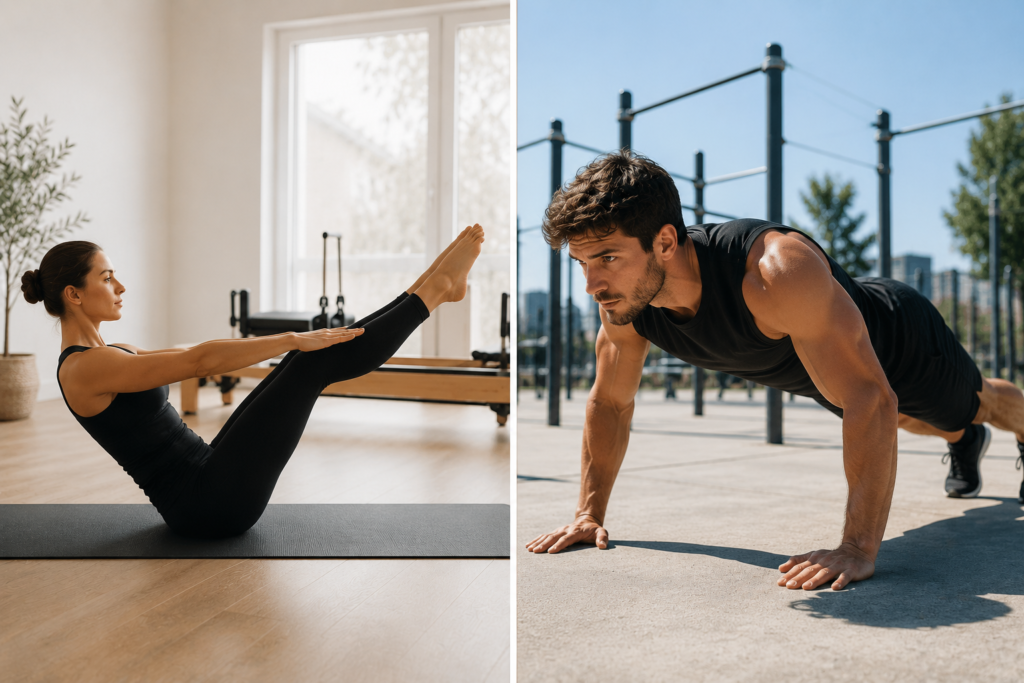
Calisthenics and Pilates both use bodyweight exercises but differ in focus: calisthenics builds overall strength and coordination through dynamic movements, while Pilates targets core stability, flexibility, and body awareness through controlled, precise exercises. Choosing between the two depends on your goals—think strength and power versus mindful movement and posture.
The ongoing debate of calisthenics vs Pilates is more than a rivalry between workout fads—it’s a meaningful reflection of how people define fitness, movement, and even self-care. Walk into any gym or scroll through social feeds, you’ll probably spot someone cranking out pull-ups alongside a neighbor rolling through the Hundred. The question naturally surfaces: which best matches your needs, lifestyle, and temperament? This guide looks under the hood of both, combining hard evidence with real-world observations (and just a touch of light-hearted wit) to help clarify what makes each approach shine.
Understanding Calisthenics and Pilates: An Overview
At a glance, calisthenics and Pilates look like distant cousins in the family of bodyweight training, yet their personalities couldn’t be more distinct. Calisthenics traces its roots to ancient Greece but rose to prominence through military drills and public fitness routines. The central idea is simple: use your own body weight as resistance, focusing on multi-joint moves—push-ups, pull-ups, squats—to build raw strength, power, coordination, and control. No need for fancy equipment (well, maybe a sturdy bar and the occasional park bench). It’s functional, scalable, and free-flowing, often forming the backbone of boot camps and playground workouts.
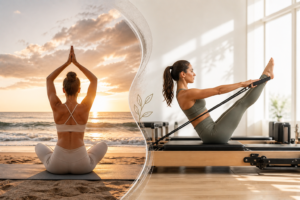
Pilates, born in the 20th century from the inventive mind of Joseph Pilates, takes another path. While Pilates also uses bodyweight resistance (especially on the mat), it revolves around precise, controlled, and mindful movements. The core is king. Alignment, breath, and muscle engagement are meticulously orchestrated. Whether done on a mat or fancy reformer, Pilates sessions channel a distinct emphasis on core strength, flexibility, posture, and the so-called “mind-body” connection—exactly why many folks describe leaving class feeling taller, looser, even calmer.
Despite their differences, both systems celebrate mastery over bodyweight and a focus on quality movement, making them accessible and adaptable—hallmarks of any timeless exercise tradition.
Key Differences Between Calisthenics and Pilates
Ask people about calisthenics versus Pilates and you’ll get a rainbow of answers, shaped by personal preference, fitness background, and, sometimes, frustration with the terminology. On a technical level, the main distinctions fall into four camps:
- Intensity and Pace: Calisthenics tends to be more dynamic and strength-oriented, often performed at a brisker pace. Pilates moves at a measured, controlled rhythm, focusing on precision and muscle engagement over maximum force.
- Structure: Calisthenics is “free-flowing”—pick your favorite moves, adjust reps, mix and match. Pilates is methodical, built on established sequences structured for maximum alignment and control.
- Goals: Calisthenics generally emphasizes functional upper and lower body strength, muscle mass, endurance, and even athletic skills (think handstands or muscle-ups). Pilates leans heavily on core stability, postural improvements, flexibility, and a sculpted, streamlined physique.
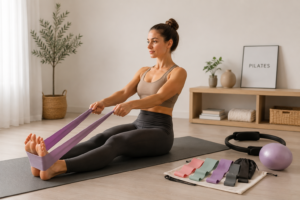
- Equipment: Traditional calisthenics requires little or no equipment. Pilates can be done with just a mat, but often features specialized gear—reformer, rings, balls, resistance bands—particularly in a studio setting.
It’s worth noting: there’s more overlap than people sometimes admit. Moves like planks, push-ups, and controlled squats crop up everywhere, just styled with a different flavor and intention.
Calisthenics vs Pilates: Benefits and Results
Physical Benefits of Calisthenics
People drawn to calisthenics are often seeking full-body results—and for good reason. The central promise is building real-world, functional strength. You’re not just moving weight, you’re moving yourself. Calisthenics engages multiple muscle groups at once, naturally supporting muscle growth and better coordination. Research shows that after just 3–6 months, calisthenics training can markedly improve lower body coordination—a metric that matters whether you’re leaping for a bus or playing with your kids in the yard1.
Other perks? Calisthenics is intensity-friendly. Push it hard, set new records, or scale things down—either way, your endurance, agility, and cardiovascular health get better alongside your strength. Those looking for that classic calisthenics body—defined arms, powerful core, athletic legs—will find plenty of believers in the benefits of old-school bodyweight movements. Not to mention, calisthenics builds remarkable balance and spatial awareness, attributes closely tied to injury prevention in everyday life.
Health Benefits of Pilates
Pilates, in contrast, takes aim at the deep postural muscles that keep everything humming smoothly. The moves may look gentle at first, but core engagement is no joke. People often walk out with better posture, increased spine mobility, and a stronger, more stable core.
Key highlights? Pilates is legendary for improving flexibility and joint mobility, with plenty of scientific backing for its role in rehab and injury prevention. Its controlled, low-impact moves give sensitive knees and backs a gentle way to recover strength and function2. Pilates also sharpens body awareness—something you’ll notice the next time you catch yourself sitting taller or breathing more deeply at your desk. The benefits ripple outward, supporting mental clarity, stress relief, and a sense of overall wellbeing—a refreshing counterbalance to daily stressors.
Targeted Goals: Weight Loss, Strength, and Flexibility
Calisthenics vs Pilates for Weight Loss
Weight loss is a topic that brings out strong opinions—especially in the “calisthenics vs Pilates” camp. Put simply: calisthenics generally burns more calories, thanks to its higher intensity and dynamic movement patterns. Think high-rep push-ups, burpees, and squat jumps—your heart rate spikes, sweat follows, and fat loss comes quicker for most people3. Those aiming to shed pounds may see faster results with a consistent calisthenics regimen, particularly when combined with dietary changes.
Pilates isn’t known for knocking out massive calorie numbers, but don’t discount its role in long-term weight management. It aids muscle definition, encourages regular movement, and, perhaps most importantly, makes people want to stick with their routines. Adherence is the real secret to lasting weight management, not just intensity or calorie math.
Building Strength and Muscle Tone
The “Pilates vs calisthenics” muscle-building debate gets heated—and, truthfully, both camps have a point. Calisthenics fosters functional, visible muscle through repeated engagement of major muscle groups: chest, shoulders, arms, back, core, and legs. Skills like pull-ups and push-ups don’t simply look strong—they are strong, and the muscle definition reflects that.
Pilates, while less about maximum muscle mass, is exceptional for sculpting, defining, and toning muscles, particularly those often left behind in gym-centric routines. The emphasis on core muscles and postural alignment—plus high rep ranges with low resistance—creates long, lean muscles and a “lifted,” balanced appearance. Plenty of athletes and everyday movers blend both systems for a best-of-both-worlds outcome: the power and muscle of calisthenics with the alignment and finish of Pilates.
Improving Mobility and Flexibility
No contest here—Pilates stands out for developing flexibility, mobility, and joint health through its slow, controlled progressions and stretching elements. Expect to feel looser, more agile, and free of the “stiffness” that haunts many strength-focused routines. Calisthenics, on the other hand, supports active mobility by training muscles in functional patterns; moves like deep squats, active lunges, or refined push-up shapes demand solid range of motion, actively building flexible strength4.
In reality, pairing these approaches can create dramatic results—strong, mobile bodies that move easily through all of life’s twists and turns.
Comparing Workout Styles and Routines
Popular Calisthenics Exercises
- Push-Ups (standard, diamond, archer)
- Pull-Ups and Chin-Ups (varied grip)
- Squats and Jump Squats
- Dips (parallel bars or sturdy chairs)
- Planks and Hollow Body Holds
- Lunges (walking, alternating, jump lunges)
- Leg Raises (hanging or lying)
What’s striking: these movements show up everywhere, from military calisthenics to casual park routines. Their appeal? They’re simple, scalable, and effective at building transferable, everyday strength. One quick glance at a school playground or military boot camp and you’ll see calisthenics in action—lunges, planks, and pull-ups make up the core of public fitness for a reason.
Pilates Exercises for Beginners
- The Hundred
- Roll-Up and Roll-Down
- Leg Circles
- Single Leg Stretch
- Double Leg Stretch
- Shoulder Bridge
- Swan Prep
- Plank (Pilates style, focus on core and alignment)
Newcomers often describe Pilates moves as familiar-but-different—subtle tweaks in positioning or breath turn ordinary shapes into precise, challenging work. Unlike the relentless pace of bootcamp classes, Pilates starts slow, prioritizing control over reps and establishing strong movement patterns before adding intensity.
Military Calisthenics vs Pilates
The phrase “military calisthenics” conjures a very specific image: rows of recruits grinding out push-ups, sit-ups, and pull-ups until they can barely raise their arms. While this style is built around strength and stamina, it’s also about grit, camaraderie, and exceeding self-imposed limits. Pilates, in this light, seems almost meditative—a sharp contrast in energy and intent. Some veterans report unexpected benefits when adding Pilates into post-service routine—less pain, more mobility, and a surprising boost in core strength that trickles into every other activity.
For those who crave both discipline and mindfulness, switching between these approaches often reveals gaps in ability. Here’s where people sometimes mutter, “Didn’t realize how much core work I’d been missing …”
Suitability for Different Audiences
Calisthenics vs Pilates for Women
Despite enduring stereotypes, women benefit tremendously from both calisthenics and Pilates. A study of sedentary adult women showed that while both Pilates and calisthenics yield improvements in coordination and movement, calisthenics delivers stronger gains in lower limb coordination1. So those looking to boost athletic performance, confidence, and coordination for everyday life can confidently add calisthenics to their toolkit.
Pilates often appeals to women aiming for sculpted tone, balance, and flexibility. It’s a staple in post-partum routines and rehabilitation circles, and plenty of women credit Pilates for finding new strength and posture after injury, pregnancy, or long hours at a desk. Both methods, frankly, are adaptable for any stage—pregnancy, menopause, busy parenting, athletic training, or active aging.
Pilates for Men
Pilates, for a long time, got pigeonholed as a “women’s workout.” (Smirk, yes, but glance inside a reformer class and the genders are leveling out.) Men discover quickly that Pilates leaves muscles shaking and exposes weaknesses missed by conventional gym routines. The laser focus on lumbar stability, hip flexibility, and shoulder control proves invaluable for athletes—runners, golfers, and weightlifters alike. Some of the world’s top footballers and basketball pros count Pilates as part of their regimen, finding it enhances performance and injury resilience.
Beginner-Friendly Options
This is where things get interesting: both Pilates and calisthenics are customizable to all levels. Calisthenics is “easier” to dive into since you need little more than personal motivation and space. Push-ups at the wall or desk, assisted squats with a chair—modifications abound. Pilates may feel technical initially, but wall Pilates and mat-based classes provide gentle intro routes, especially for people with joint pain or new to exercise. Local studios and online classes make it accessible, and the social element helps with sticking to new habits.
In both cases, the real hurdle is showing up, not mastering advanced poses or feats of strength. As the saying goes, “the hardest part of working out is actually getting started.”
For a better understanding, you can also read: Is Pilates Cardio? Find Out What Experts Say (2026)
Calisthenics vs Pilates vs Yoga and Similar Activities
Pilates vs Yoga: Key Differences
Pilates and yoga often get bundled together, but their aims diverge. While both develop strength, balance, and flexibility using bodyweight, yoga emphasizes breath, static poses, and mind-body integration, often including meditation and philosophy. Pilates hones in on core control, alignment, and precise movement patterns, usually eschewing spiritual content. Some yoga poses require calisthenics-like strength, but the mindset and method are quite distinct3.
What Is Callanetics?
Callanetics, somewhat of a hidden gem, blends isometric exercises and tiny, controlled pulses to tone deep muscles. Think of it as a hybrid between Pilates and ballet conditioning, prioritizing sculpted lines and flexibility. Those who prefer slower, more meditative sessions and micro-movements might find callanetics a delightful alternative, especially for rehab or gentle core work.
Barre and Other Alternatives
Barre is another cousin in the bodyweight family, merging elements of ballet, Pilates, and light strength training. Think high-rep, low-impact moves performed at a ballet barre (or chair) set to music. The result? Muscular endurance, joint-friendly toning, and, let’s be honest, a surprising postural challenge. Barre, like Pilates and yoga, creates a welcoming space for all fitness levels, offering a supportive, often community-focused atmosphere.
Real User Perspectives: Calisthenics vs Pilates Reddit and Community Insights
Pilates vs Calisthenics Reddit Threads
Reddit, that honest corner of the internet, can be a treasure trove for firsthand opinions. Threads comparing calisthenics and Pilates regularly feature people who started with one and became curious about the other. Patterns emerge: people coming from a calisthenics background express surprise at how strenuous Pilates can be, especially when it comes to core endurance and muscle “burn.” Pilates devotees, on the other hand, often turn to calisthenics to spice up routines or chase new goals, noting the motivation that comes from visible strength progressions and unlocking new skills.
A recurring theme? There’s no shame in cherry-picking from both. Those who blend approaches enjoy increased variety, reduced boredom, and fewer injury setbacks.
Success Stories and Testimonials
Micro-anecdotes tell a lively story. A retiree in Chicago credits Pilates for helping her garden pain-free every summer, while a college student reports newfound confidence doing pull-ups after months of bodyweight training. Some report cycling from yoga, to Pilates, to calisthenics, only to land on a combo routine that meets all their needs. Consistency, it turns out, is the actual “secret sauce.” One user summed it up best: “Do what makes you want to show up—because that’s what brings long-term results.”
FAQ: Calisthenics vs Pilates Common Questions
What’s harder, Pilates or calisthenics?
Hardness is almost entirely subjective. Physically, calisthenics brings a sharper intensity, especially for upper-body strength moves like pull-ups and dips. Yet, Pilates demands focus and patience—hold a plank with perfect form or master a reformer session and you’ll feel a different kind of challenge. For muscle fatigue, many report Pilates surprises them more than expected. It really depends on where your strengths and gaps lie.
What is the 80/20 rule in calisthenics?
The so-called “80/20 rule” in calisthenics isn’t a formal principle but a training metaphor. Most results (roughly 80%) often come from the fundamental 20% of foundational moves—think push-ups, pull-ups, and squats. Advanced tricks may look flashy, but the basics pack most of the muscle-building and strength benefits. It’s a solid reminder not to overlook the classics.
Should I start with calisthenics or Pilates?
It truly depends on your personal goals and body needs. People looking to build raw strength, coordination, and explosive power may gravitate toward calisthenics. Those seeking gentler moves, injury rehab, improved posture, or core stability might favor Pilates, especially if new to exercise. There’s absolutely no rule against starting both—sampling each often reveals what resonates best. And as so many user experiences suggest, blending both can keep workouts fresh and motivation high.
Can Pilates be considered calisthenics?
Technically, yes—Pilates is a specialized form of bodyweight resistance training and fits under the broad umbrella of calisthenics. However, in common discussion, Pilates is seen as its own method with unique sequencing, breathing, and postural focus. Their overlap is clear in some shared movements (planks, push-ups), but the style and intent differ5.
Conclusion: Choosing the Best Workout for Your Lifestyle
Key Takeaways and Recommendations
- Calisthenics is best suited for those chasing strength, athleticism, and energetic routines that require little equipment and lots of progression.
- Pilates excels for people needing guided, low-impact routines that sharpen core stability, posture, rehab, and flexibility.
- Both methods support long-term fitness by building foundational strength and body awareness; neither “wins” across every metric.
- Blending calisthenics and Pilates can unlock broader benefits—more variety, better adherence, and the prevention of plateaus or overuse injuries.
Next Steps for Trying Calisthenics or Pilates
The best training plan is the one you stick with. Sample a week of mat Pilates classes, then plug in a handful of calisthenics basics—push-ups, bodyweight squats, planks—on alternate days. Notice how your body responds. You’ll feel the difference: maybe the gentle lengthening after Pilates, the powerful fatigue after pull-ups, or the posture boost from engaging your core in either discipline. If you get stuck, local studios or online programs make it easy to start, and communities—online or offline—help with motivation and troubleshooting. In the grand scheme, both approaches are united by one core truth: consistency trumps everything. Let curiosity (and maybe a bit of old-fashioned stubbornness) guide your next move.
Curious readers, don’t forget—there’s no one-size-fits-all. The right workout isn’t what trends on social feeds; it’s what keeps you moving forward, one sweaty, smiling session at a time. That’s where the real transformation starts.
References
- Güzel NA, Hazar Z. Effects of calisthenics and Pilates exercises on coordination and proprioception in adult women: a randomized controlled trial. J Sport Rehabil. 2011;20(2):182-96. doi:10.1123/jsr.20.2.182.
- BetterMe. Pilates vs Calisthenics: Which Workout is More Effective for Toning and Sculpting? (2025). Accessed from https://betterme.world/articles/pilates-vs-calisthenics/.
- Gravity Fitness. Is Pilates a form of calisthenics? – Gravity Fitness Equipment. Accessed from https://gravity.fitness/blogs/training/is-pilates-a-form-of-calisthenics.
- Reverse Health. Wall Pilates vs Calisthenics: Pros, Cons & First Choice. Accessed from https://reverse.health/blog/wall-pilates-vs-calisthenics.
- PubMed: Effects of calisthenics and Pilates exercises on coordination and proprioception in adult women. https://pubmed.ncbi.nlm.nih.gov/22104298/