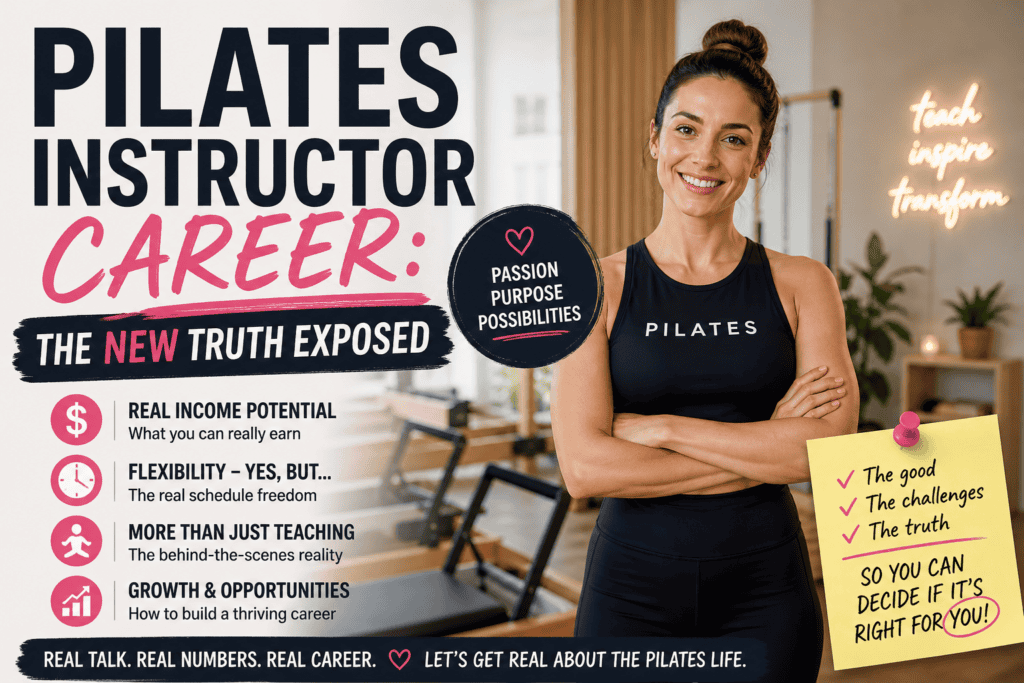
The Pilates instructor career invites both movement enthusiasts and those longing to make a difference into a vibrant professional community—one that’s as much about teaching as it is about inspiring. People picture smooth studio floors, the subtle clack of reformer springs, and classes energized by mindful breath. Yet, behind these serene scenes lies a calling that blends technical mastery, human connection, and, for many, the creative momentum of building a personal vocation from the ground up.
To begin a Pilates instructor career, complete a reputable training program, earn a recognized certification, build hands-on teaching experience, and start networking in the Pilates community. Success relies on combining education, practice, and personal passion for helping others through movement.
This field offers a path with deep personal meaning, opportunities for career progression, and challenges that test both body and spirit. Whether you’re considering a new professional direction, or simply curious if becoming a Pilates instructor is a good career move, this narrative covers the landscape, answers the tough questions, and shares steps you can actually act on today. Now, let’s walk through the real Pilates teaching career, with feet firmly grounded in the world outside of studio lights.
Understanding the Pilates Instructor Career Path
Few career trajectories are as adaptive, client-focused, and community-centered as the Pilates instructor profession. At its heart, a Pilates career as an instructor is about guiding people in physical transformation, but it’s also about constantly evolving personal skill, professional autonomy, and finding one’s own niche inside a thriving wellness industry.
The path seldom follows a single, straight line. Most Pilates instructors start by training within an established studio, benefiting from the support and mentorship of experienced professionals and an existing client base. Over time, some branch out—teaching in gyms, community centers, or venturing into entrepreneurial territory with home studios, boutique businesses, or virtual classes. Others specialize: working with special populations, sports teams, or moving into areas like Pilates education and mentorship.
Flexibility—both literal and figurative—proves key. As demand for movement-based wellness grows, so do creative opportunities, from corporate wellness to online instruction to collaborating with allied health professionals. The Pilates instructor career is, in truth, a patchwork of rewarding avenues rather than a fixed track, shaped as much by each instructor’s skills and aspirations as by industry standards and local demand.1
Ultimately, this is a profession that values ongoing learning and the kind of client connection that lasts well beyond the end of a mat class.
Essential Qualifications to Become a Pilates Instructor
Anyone serious about a Pilates instructor vocation discovers early on that credentials matter. While no single governing body establishes nationwide practice standards in the United States, studios and clients alike gravitate toward instructors who have completed comprehensive, in-depth teacher training programs from recognized organizations like STOTT, Polestar, or Classical Pilates programs.1
- Completion of a Pilates instructor certification program (often 450+ hours for comprehensive coverage)
- Current adult CPR/AED certification
- Strong knowledge of anatomy, kinesiology, and Pilates principles
- Experience teaching private and group sessions
- Good interpersonal communication and motivation skills
While formal education in kinesthetics or exercise science isn’t always required, many see it as an asset—especially for instructors interested in working with specific populations, rehabbing injuries, or eventually opening their own studio.
Soft skills carry their own weight: empathy, adaptability, observation skills, and the ability to customize sessions help instructors stand out in a field that’s as much about people as it is about physical technique.
Certification and Training Requirements for Pilates Instructors
Certification is non-negotiable for anyone who wants to treat Pilates instruction as more than a casual side gig. Reputable studios consistently seek instructors certified through programs that cover the complete classical Pilates repertoire (mat, reformer, and apparatus), anatomy, teaching methodology, and practical instruction.1
- Choose a certification pathway, such as STOTT, Polestar, or BASI.
- Complete required coursework—ranging from intensive weekend modules to extended year-long tracks.
- Document a required number of teaching practice and observation hours, often including supervised teaching.
- Pass practical and written exams testing both technical knowledge and teaching ability.
- Stay current with continuing education to keep credentials active and expand specialty skills.
Some programs specialize in mat instruction, while others include reformer, tower, and large apparatus training. For real career flexibility—including teaching privates, duets, and group classes—comprehensive training matters. Specialty certificates (like pre/post-natal, injury rehabilitation, or Pilates for athletes) add value, making instructors more versatile and marketable.
Given the investment of time, money, and personal energy, careful vetting of training programs is essential from both a quality and career-building perspective.
Pilates Instructor Job Outlook and Demand in the United States
Over the past decade, the Pilates instructor job path has carved out a secure foothold in the ever-expanding wellness space in the United States. Pilates continues to be integrated into physical therapy, youth sports conditioning, senior wellness, and corporate health programs. People sometimes compare the demand to yoga’s rise in the early 2000s—Pilates is now nearly ubiquitous in fitness-minded cities and quietly gaining ground in smaller communities as awareness spreads.
While not immune from economic fluctuations, the Pilates instructor profession has shown resilience and adaptability, especially as online and hybrid teaching models allow instructors to reach clients far beyond their immediate neighborhoods.1
Is there high demand? In studios, gyms, boutique fitness centers, and wellness resorts, the need for qualified Pilates instructors appears steady and even rising, particularly as more Americans recognize movement as medicine and look for mind-body modalities that support long-term health.
In short, the job outlook offers a measure of stability rare in other fitness-related fields, plus an upward trajectory for those able to adapt to changing technology, diverse audiences, and new delivery models.
How Much Can a Pilates Instructor Make?
| Work Setting | Pay Structure | Average Range (2025, editor-verified) | Notes |
|---|---|---|---|
| Pilates Studios | Hourly class rate or salary | $25–$60/hr | Higher rates for private sessions |
| Gyms/Wellness Centers | Hourly class rate | $20–$40/hr | Often group classes |
| Corporate/Retreat | Session or contract | $35–$100/hr | Corporate wellness often pays premium rates |
| Online/Virtual | Per client/course | $10–$100+/class | Highly variable, depends on following and scale |
| Studio Owner | Profit-based | Highly variable | Depends on business model, not salary |
Talking numbers always tempts people to jump to simple verdicts, but the reality is layered. Most Pilates instructors begin with hourly pay, and income depends on location, client load, and experience. Those able to cultivate loyal clientele, branch into specialty services, or scale into studio ownership can see income grow over the years.
It’s not unheard of for instructors with a strong reputation and multiple revenue streams (in-person classes, online offerings, private clients) to make a solid living—even rivaling some mid-level corporate salaries. As with most movement teaching careers, consistency and business acumen (not just technical skill) shape the bottom line.
Fore more in depth details, check out: How Much Do Pilates Instructors Earn? The Complete Painful Truth
Day-to-Day Responsibilities in a Pilates Teaching Career
The Pilates teaching career is richer—and messier—than most outsiders imagine. Sure, there are serene moments of synchronized breath and gentle cues. More often, though, instructors juggle lesson planning, scheduling, ongoing client education, and all those tiny behind-the-scenes tasks that keep sessions engaging and safe.
- Designing creative class sequences tailored to client needs—sometimes at 6 a.m., sometimes late into the evening
- Modifying exercises in real time for injury, ability, or group fitness dynamics
- Handling client bookings, payments, and occasionally, the emotional rollercoaster of encouraging someone who’s lost their spark
- Staying sharp with continuing education and, occasionally, wrangling reformer springs that seem to have a mind of their own
The scope also shifts by work setting. Teaching at a well-equipped studio is a different game from guiding mat classes in a bustling school gym or streaming sessions across a digital platform to clients on multiple continents.
Typical Work Settings for Pilates Instructors
- Pilates studios (private, franchised, boutique): The traditional home base—access to apparatus, steady client stream, and collaborative team dynamics.1
- Fitness gyms and wellness centers: Group class formats, high turnover, exposure to broader public, sometimes less control over class structure.
- Community spaces: Libraries, rec centers, churches—think accessible, grassroots, often mat-based classes.
- Private home studios: Convenience and comfort, but often require clear boundaries and legal permits.
- Online/virtual: Flexibility, global reach, but technical demands and a need for on-screen charisma are real.
- Retreats, hotels, cruise ships: For those seeking an adventurous twist, teaching Pilates can mean travel and working with new faces every week.
- Corporate wellness programs: Bringing Pilates directly to the workplace for clients who need stress relief and desk relief.
Many instructors mix-and-match settings, crafting a schedule as unique as their teaching style.
Common Challenges and Rewards
Any honest account of a Pilates instructor career includes both sunny vistas and a few potholes. Most instructors say that unpredictable scheduling and the grind of hustling for new clients—especially early on—can create stress. Physical fatigue is real, especially for those teaching back-to-back classes, and the pressure to continually refresh knowledge can be relentless.
Still, the upsides are hard to underestimate. The reward of watching a client regain strength after injury, or the spontaneous laughter that erupts in a tough class as people finally get that elusive movement pattern, makes the hard days worth it. As one longtime instructor said, “It’s about helping someone discover what their body can really do—that never gets old.”
For many, the balance tips squarely in favor of the intangible rewards: real relationships, lasting change, creative expression, and professional freedom. Those drawn to Pilates instruction rarely do it for glamour—it’s the small victories and the sense of shared progress that make all the difference.
Steps to Start Your Pilates Instructor Journey
- Research recognized Pilates instructor certification programs.
- Assess personal readiness—physical conditioning, passion for teaching, communication skills.
- Enroll in an accredited training program.
- Log practice teaching hours and observation sessions.
- Sit for and pass required exams (practical and written).
- Apply for jobs at studios, gyms, or offer services independently.
- Join local or online Pilates instructor communities to expand learning and connections.
The rubber really meets the road during practical training and early real-world teaching. It’s here that classroom concepts turn into real-life class challenges, personalities, and a newfound respect for the art of a well-timed cue or a creative prop adaptation.
In a field built on reputation, the sooner you connect with instructors, potential employers, and local Pilates communities, the richer your growth—and potential job opportunities—become.
Choosing the Right Certification Program
- Reputation: Does the organization have industry credibility? Do respected studios recognize the certificate?
- Comprehensiveness: Is it mat-only or does it include larger apparatus? Are specialty tracks or continued learning options available?
- Format: In-person, online, or hybrid? How are observation and teaching hours structured?
- Cost and time: What’s the investment relative to potential earnings and long-term goals?
- Mentorship: Will you have access to feedback and hands-on guidance from experienced instructors?
While skipping corners or racing to the cheapest certification might seem tempting, studios and educated clients spot gaps in training quickly. Investing in robust education pays off both for professional confidence and future earning power.
Building Experience and a Professional Network
No certification on earth replaces hands-on teaching experience. Most instructors start with practice teaching—sometimes unpaid—within their training organization or local studios. Over time, word-of-mouth, professional referrals, and networking with studio owners or allied wellness professionals open more doors than any marketing campaign ever could.
Connecting with Pilates Method Alliance chapters or similar organizations creates opportunities for continuing education and exposure to new methods or trends. Attending local classes (as a student), conferences, and even volunteering at wellness events can help you become known as both skilled and approachable—a combination that draws clients and builds careers.
Setting Career Goals in Pilates Instruction
Setting clear goals anchors the sometimes uncertain early stages of a Pilates instructor job path. Perhaps you aim to teach 10 weekly classes, specialize in prenatal Pilates, or eventually open your own boutique studio. Defining measurable steps—building a client base, mastering a specialty, gaining another certification—brings day-to-day tasks into sharper focus.
Revisiting goals annually lets you adjust to emerging trends, personal interests, or a change in lifestyle. In a career defined by growth, flexibility isn’t just physical—it’s strategic, too.
Opportunities and Career Progression in the Pilates Instructor Profession
Progression in the Pilates instructor profession is more than climbing a linear ladder. Rather, it’s about branching out, deepening expertise, and sometimes pivoting toward a specialty or entrepreneurial avenue that speaks to your unique strengths. The field invites creativity—those willing to innovate find surprising opportunities at nearly every stage.
Advancement Paths in the Pilates Field
- Advancing to senior instructor or master trainer within a studio (supervising newer instructors, designing curriculum)
- Mentoring or training the next generation of instructors, sometimes as a teacher-trainer or workshop presenter
- Opening your own Pilates studio (or mobile/home-based business) for ultimate creative and schedule control
- Moving into Pilates education, creating online courses, or consulting for other professionals
- Taking specialized roles in rehabilitation centers, sports training facilities, or multidisciplinary wellness clinics1
Growth is as much about finding the right fit as it is about traditional promotion. Some thrive as educators, others as business owners, some prefer the deepening mastery that comes with years of teaching dedicated clients.
Specializations and Niche Roles
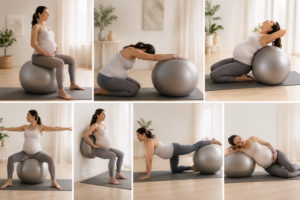
- Pre- and post-natal Pilates (supporting women through pregnancy and recovery)
- Seniors and mobility through aging
- Pilates for athletes/athletic conditioning
- Rehabilitation and injury prevention
- Online instruction/digital course development
- Corporate wellness or retreat leadership
- Group or immersive event teaching
Niche skills open doors to collaborations outside the usual studio environment: teaming up with physical therapists, leading workplace seminars, or even teaching on cruise ships. These specialty routes can prove both professionally satisfying and financially lucrative.
Is Pilates Instructor a Good Career Choice?
The question pops up time and again on forums and at industry events: Is Pilates instruction a good career? The honest answer: it depends. For those driven by a love of movement, teaching, and supporting personal change—or for anyone who dreams of blending autonomy, creativity, and meaningful work—it’s hard to find a better fit.
The downsides? Income fluctuates, especially early on. Benefits like health insurance and paid leave are rarer outside large studios. Competition can be fierce in saturated markets, and the hours can be unpredictable.
But walk into any established Pilates studio and talk with experienced instructors—there’s a striking sense of pride, community, and staying power. The Pilates instructor career is not for those seeking quick cash or a desk job, but for many, it answers the call for purpose and professional adventure.
Maybe that’s why so many stay in the field decade after decade, evolving from teacher to mentor, business owner, or specialist. It’s the ultimate mix of challenge, creativity, and connection—a genuinely good career choice for the right person.
Pilates Instructor Career in Popular Culture and Online Communities
Like any distinct profession, the Pilates instructor field pops up in pop culture and digital spaces—sometimes as earnest inspiration, sometimes as affectionate parody. In recent years, it’s made cameo appearances in both digital games and social media communities.
The Sims 4 Pilates Instructor Career Representation
The Sims 4, always eager to mirror real-world careers, has inspired custom Pilates instructor career mods. Players can guide their Sims through the steps of a pilates teaching career, choosing between group instruction, celebrity training, and owning a home studio—almost a tongue-in-cheek take on real-life job progression. Strikingly, the game echoes the real requirements: certifications, networking, studio work (and, yes, the occasional client drama).
It’s a reminder that even in virtual worlds, building a teaching career means combining skill, reputation, and a bit of hustle—those career bars aren’t going to fill themselves.
Pilates Instructor Career Experiences on Reddit
Real-world insight often shows up on Reddit threads, where instructors swap stories about quitting corporate jobs for Pilates teaching. These discussions are refreshingly candid. Some share the struggle of unpredictable hours or the challenge of making consistent income in the first years. Others highlight community, personal transformation, and the moment when “teaching no longer feels like work.”
Advice from these communities trends practical: prioritize good training, embrace both the hustle and the fulfillment, and remember that no two career paths look the same.
FAQ About the Pilates Instructor Career
Can you make a living being a Pilates instructor?
People can and do make a living as Pilates instructors, though earnings depend on experience, reputation, location, and the ability to diversify income streams (such as privates, groups, online, and specialty classes). Building a stable client base and teaching across multiple formats increases earning potential.1
Are Pilates instructors in high demand?
As of 2025, Pilates instructors remain in steady demand across studios, gyms, community centers, and corporate wellness—especially in urban and suburban regions with stronger wellness cultures. Demand is closely tied to local fitness trends and awareness of Pilates’ health benefits.1
Can you make enough money as a Pilates instructor?
Yes, many instructors make what they consider “enough,” particularly as they develop a strong following and multiple teaching streams. Earnings grow with specialization, experience, and business savvy. Early years may see financial fluctuations, but growth is possible with dedication and networking.1
What is the 10 20 30 rule in Pilates?
The 10 20 30 rule—often attributed to Joseph Pilates—states: “In 10 sessions, you’ll feel the difference. In 20, you’ll see the difference. In 30, you’ll have a new body.” While not a fixed law, this saying captures the transformative power of consistent Pilates practice and remains a motivational touchstone for teachers and students alike.
Conclusion: Next Steps for Launching Your Pilates Instructor Vocation
Starting down the Pilates instructor career path isn’t just about certification and class hours—it’s about building a living, evolving professional identity that merges skill, community, and lifelong curiosity. The field rewards those willing to invest in comprehensive training, embrace both art and science, and build strong client relationships over time.
The best next move? Take a step—any step. Research programs, observe a local class, or connect with instructors online. The Pilates teaching career isn’t reserved for those with years of movement training; it’s open to anyone with dedication, empathy, and a willingness to keep learning.
Expert Tips for Success as a Pilates Instructor
- Commit to lifelong learning, both through formal training and informal observation.
- Seek out mentors and build a professional network early—doors open where relationships thrive.
- Embrace the unpredictability: flexibility (mental and physical) is key.
- Don’t underestimate the importance of business skills—marketing, scheduling, and client management can make or break a teaching career.
- Remember, the best instructors blend technical skill with genuine care—”People don’t care how much you know until they know how much you care.”
Resources and Support for Aspiring Pilates Instructors
- Pilates Method Alliance (PMA) – Certification information, continuing education, and career resources
- Local Pilates studios—Ask to observe or assist classes, network with established instructors
- Community centers offering Pilates classes—often more approachable for observation or practice teaching
- Online forums (Reddit r/Pilates, Facebook Pilates teaching groups) for candid discussion and peer advice
- Industry workshops and webinars for specialty and advanced skills
The Pilates instructor vocation rewards tenacity and creativity. With each skill learned, connection made, and class taught, instructors move beyond just a job—they build a legacy of health, movement, and lasting impact in the community.
For anyone searching for both a career and a calling, Pilates instruction might just be the answer that’s been waiting—quietly, at the edge of a reformer, ready for you to take the next step.
References
- Pilates Method Alliance. From Training to Teaching: Career Options for Pilates Instructors. 2026. https://www.pilatesmethodalliance.org/pma-blog/from-training-to-teaching-career-options-for-pilates-instructors-hpfrn-baafy-3d5nr-96a5j-re2cl
- The Pilates Body. Pilates Careers. 2026. https://tpbody.com/careers/